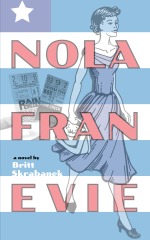
I’m sorry I’ve been away for a while (I’ll explain later maybe). But enough about me – today I’d like to introduce Britt Skrabanek, a great friend who writes great novels about bold, sassy female characters through history. Please welcome her here for this guest post celebrating women in baseball in time for National Women in Baseball Day. If you have spring or baseball fever after reading this, remember to check out her novels, including Nola Fran Evie. Take it away Britt…
 There’s something so classically American about baseball, isn’t there? This is the time of the year when we all get that urge to attend a game, smell the fresh grass, eat gooey popcorn, and cheer on our team with a bunch of sweaty strangers in the hot baseball stands.
With all of the technology distractions at our fingertips, perhaps more than ever we feel this urge for simplicity. We want to remember slower times, remember what it felt like to experience real life in front of us – rather than living life through a smartphone screen.
I still remember going to baseball games with my dad like they happened yesterday. Somehow those memories are more vivid than things that happened to me a week ago.
 On May 30, 1943 the All-American Girls Professional Baseball League (AAGPBL) made history. For the first time, women played professional baseball together. Today, 76 years later, the AAGPBL celebrates these women with National Women in Baseball Day on May 30.
When the league began, it was considered a girly spectacle. Women playing sports was practically taboo. Many of the seats were empty and some people who attended laughed at the female ball players. The women played on and proved them all wrong. Women were, in fact, cut out for this. They could be sporty and strong, they could leave the kitchen and take on the roles of men.
 Five years later by the league’s peak year of 1948, they had 910,000 paying fans. And though the AAGPBL disbanded in 1954, these women changed history, opening the door to strides in feminism that still hold today.
Like many people, both old and young, I became fascinated by the All-American Girls Professional Baseball League after seeing A League of Their Own. I had a fortunate upbringing as my dad encouraged me to be active. He used to race me to the car in the garage from our apartment or we would play catch in the doctor’s office with his keys.
Dad always told me I was just as good as the boys and he kept me enrolled in various sports and dance programs. When he took me to see A League of Their Own in the theater in 1992, I was enthralled. These women made such an impact on me, but I never knew they would continue to be influential as our lives became intertwined 20 years later.
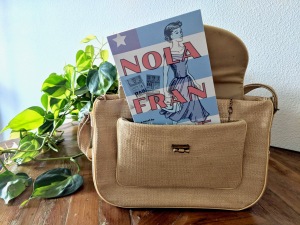 Quite randomly, a vintage handbag I purchased in 2012 turned into a treasure trove of historical fiction inspiration. I discovered a pair of baseball tickets from 1954, along with a voting receipt that had a shopping list written in a woman’s handwriting on the back. The women’s league folded that same year, so it was a serendipitous discovery that led me to write my third novel, Nola Fran Evie.
In this novel, I share the stories of three women who played in the league together and what happened to their lives afterward during the 1950s. Because of their role during WWII, their life paths were permanently altered. These women didn’t all want to go quietly…they wanted more out of life.
There is still something to be in awe about 76 years later. And, it’s important for us to remember these women and celebrate their strength alongside the All-American Girls Professional Baseball League, an organization which is still alive and well.
#WomeninBaseballDay is the perfect chance to show your support and it happens on May 30.
According to the AAGPBL’s Facebook page event:
“National Women in Baseball Day is a social media driven event that encourages MLB, MiLB, Women’s baseball organizations, softball teams, and anyone who supports women in baseball to get a group photo together forming a “V”. The “V” formation pays homage to the shape the AAGPBL teams would take during the pre-game National Anthem to stand together for “victory”.
If unable to form a group photo, participants are encouraged to share photos of themselves or female family members playing baseball, as well as sporting their favorite women’s baseball organization/team apparel. Women that have a role in a professional baseball organization are also encouraged to share their stories/photos.”
…if you want to show your support for women in baseball, I recommend joining in the social media festivities on May 30 by using or following #WomenInBaseballDay. These women did a lot for us and they should be celebrated.
Thank you Britt! Remember to check out her books and follow her through these links:
Amazon Nola Fran Evie:
https://www.amazon.com/dp/1794684077/
Website / Social:
https://brittskrabanek.com/
https://brittskrabanek.com/blog/
https://twitter.com/BrittSkrabanek
https://www.instagram.com/bskrabanek/
https://www.facebook.com/BrittSkrabanek/
https://www.goodreads.com/brittskrabanek

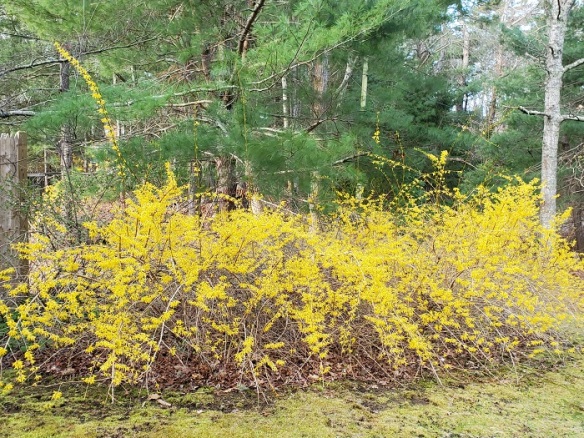 A sunburst of forsythia billows in the breeze. A rabbit hops along and stops to twitch her nose before darting into the yellow ruffled cave. A cardinal, so red that he glows, perches on top of the cave, adding heat to the flowered flame. He looks at you, then looks away, then looks at you again before leaping into the air with outstretched wings. Your heart leaps along with him. He adds color wherever he goes.
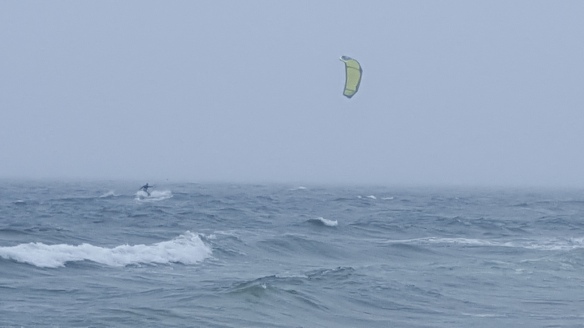 We tend to think of ourselves as separate from nature. We’re not. We’re part of this Earth. We came from the ocean and we’re made of the ocean. The ocean is in our blood. And we won’t be able to live without a healthy ocean.
 Belize Bans Offshore Oil Drilling, Protecting the Largest Barrier Reef in the Americas
 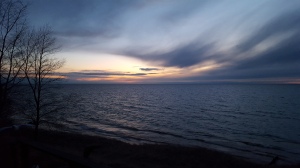 Seafloor Habitats Protected from Destructive Bottom Trawling off U.S. Pacific Coast
 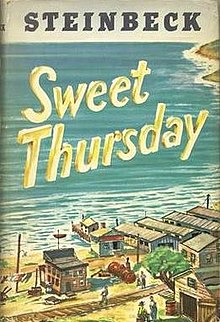 John Steinbeck is one of my all-time favorite authors. While Sweet Thursday is completely different from a novel like The Grapes of Wrath, it contains the magic, joy, humanity, and wisdom that he infuses into his novels so well.
 There are so many hilarious and insightful scenes in this novel. One part that made me laugh was when Doc went out on a date and talked about octopi the whole time. The story goes on to say, “the subject of her eyes, her feelings, her skin, her thoughts, did not come up.”
 My mom, my brother, and I have been in a book club for a few years now. We live miles apart, but we still meet whenever we can to share our love of books.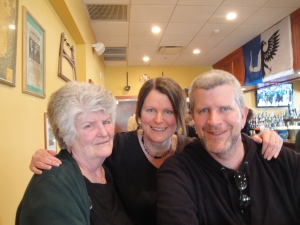

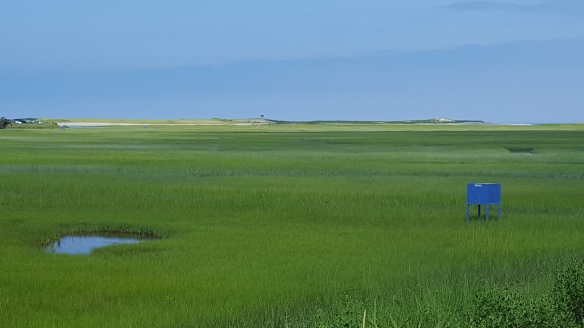


 That way, I can look up from my books and watch the squirrels, chipmunks, hummingbirds, and neighborhood turkeys while trying not to think about all the yard work that I should be doing.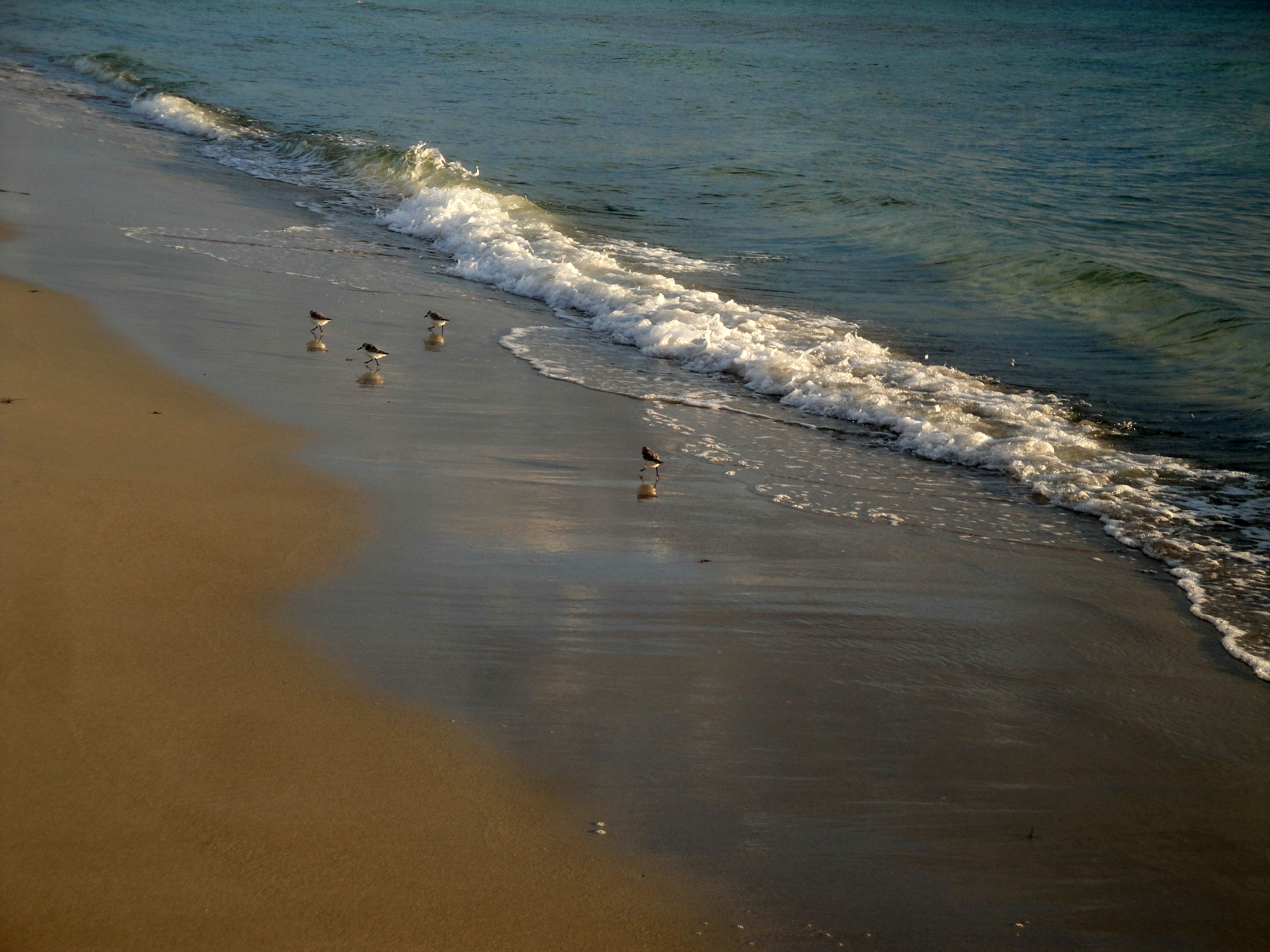







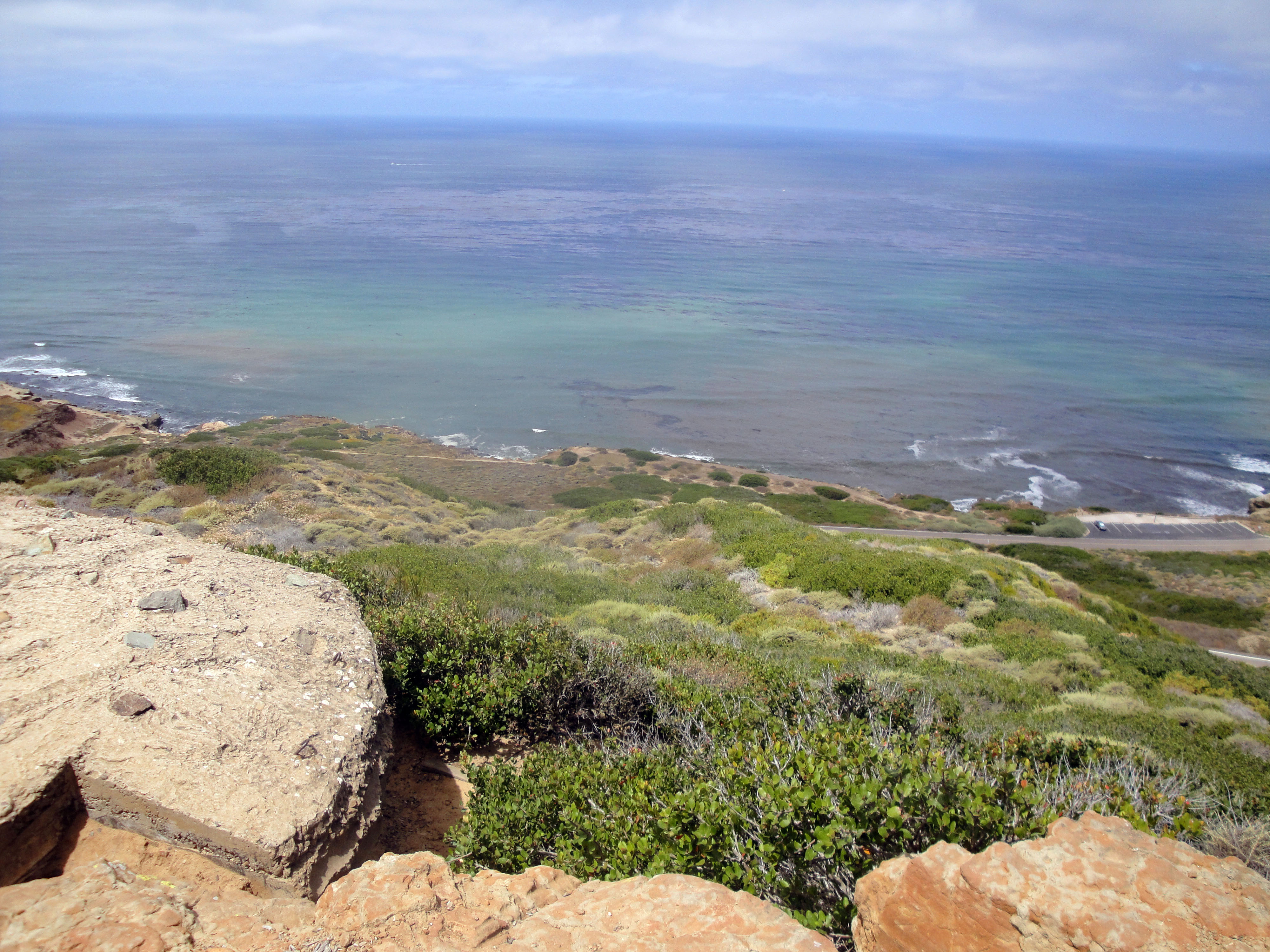
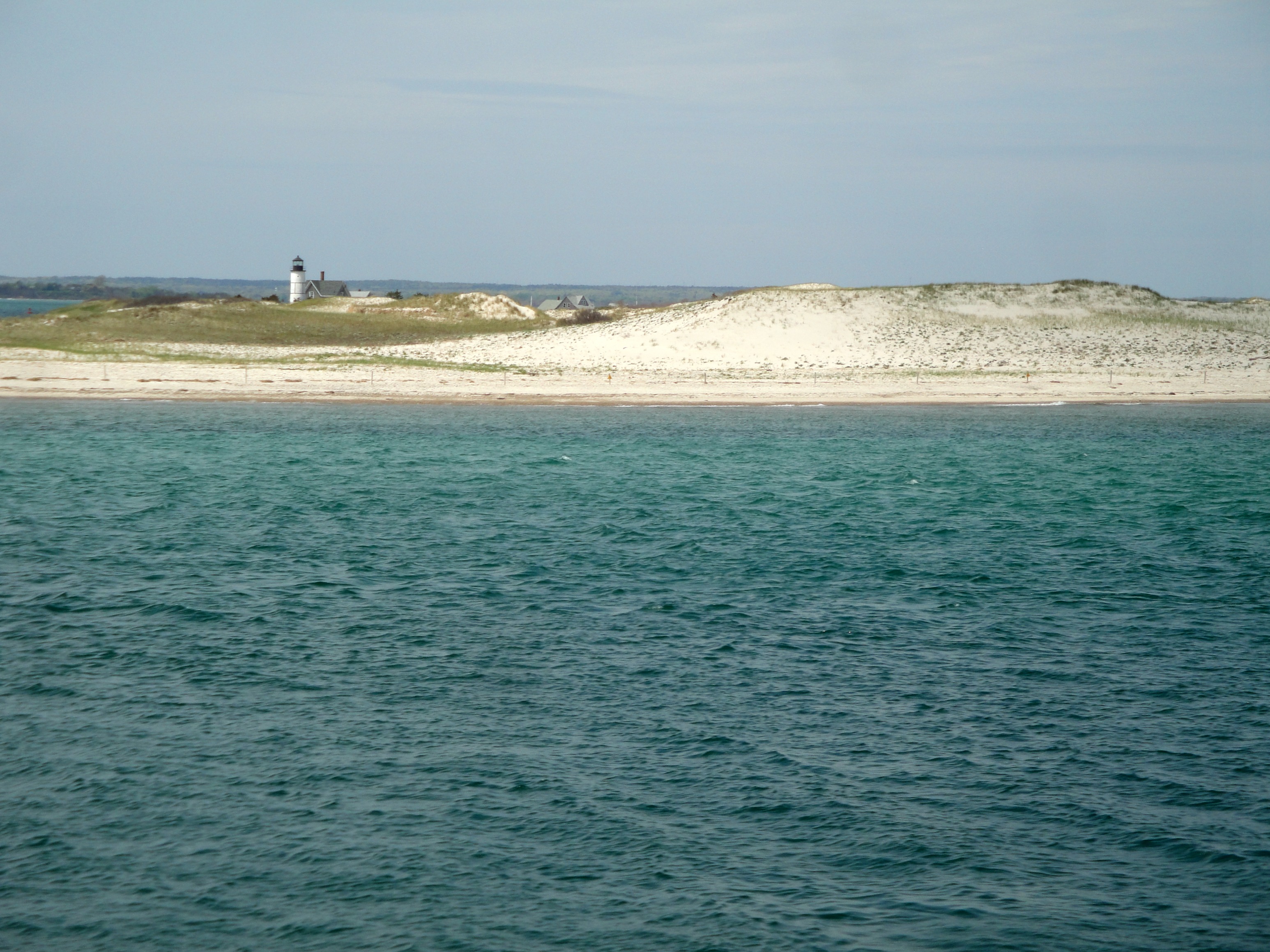
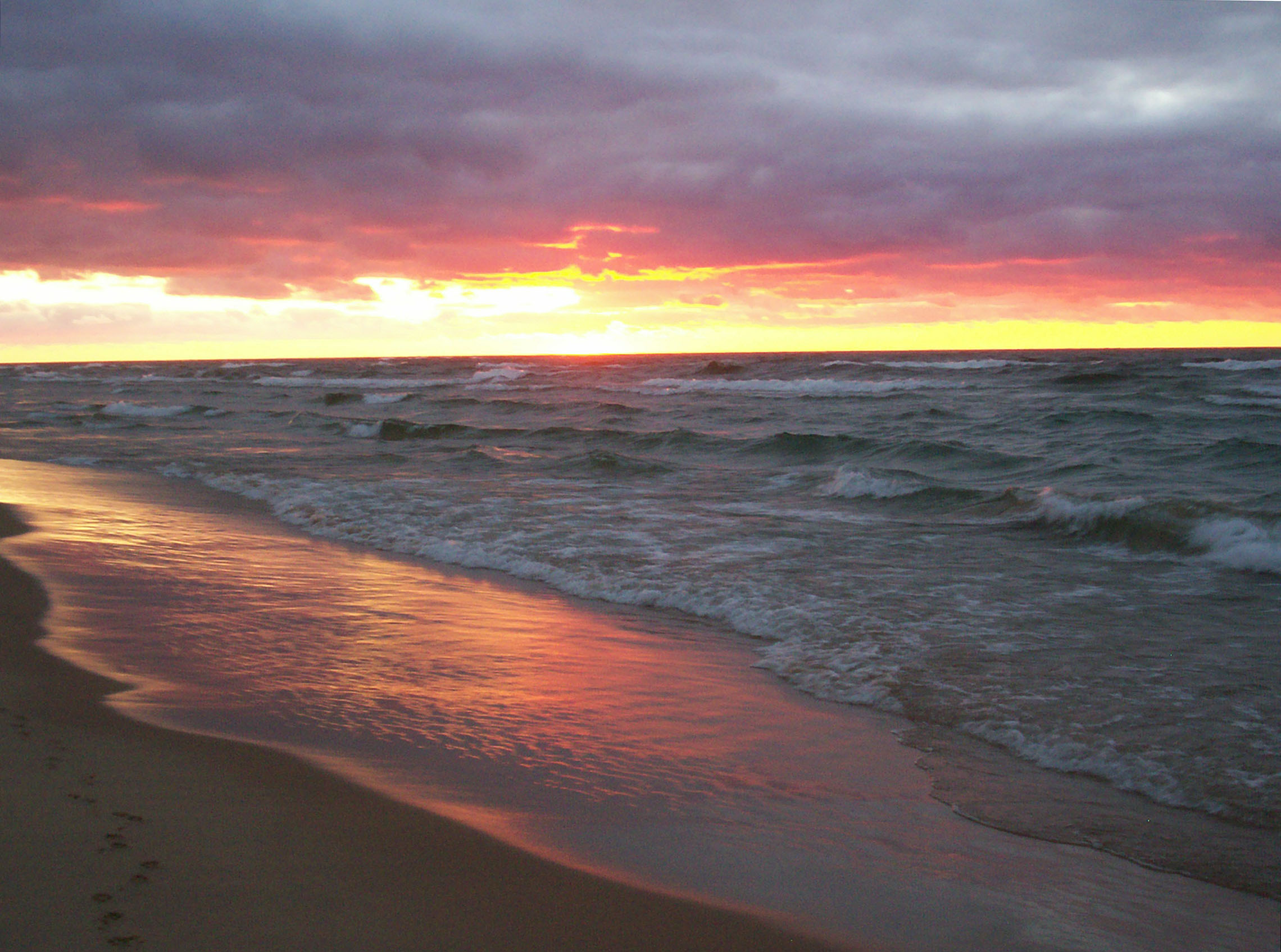

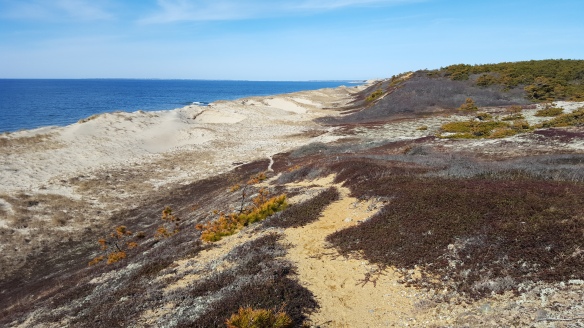
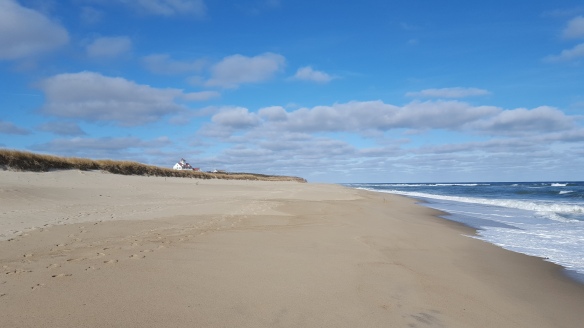
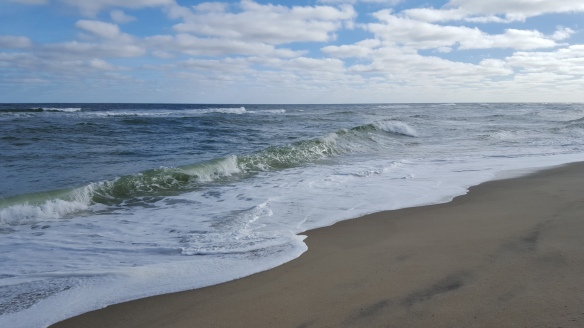 “The world today is sick to its thin blood for lack of elemental things, for fire before the hands, for water welling from the earth, for air, for the dear earth itself underfoot. In my world of beach and dunes these elemental presences lived and had their being, and under their arch there moved an incomparable pageant of nature and the year.” – Henry Beston


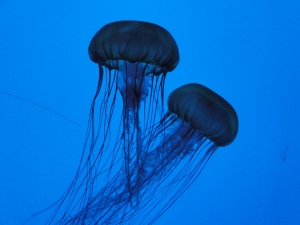 I’m not giving away jellyfish, but there is a Goodreads giveaway going on now for signed paperback copies of
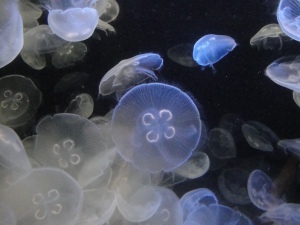 Here are a few jellyfish details to celebrate the giveaway:
 Sheila Hurst

